
Space

Space

Space
APPLICATION SOLUTION

Space

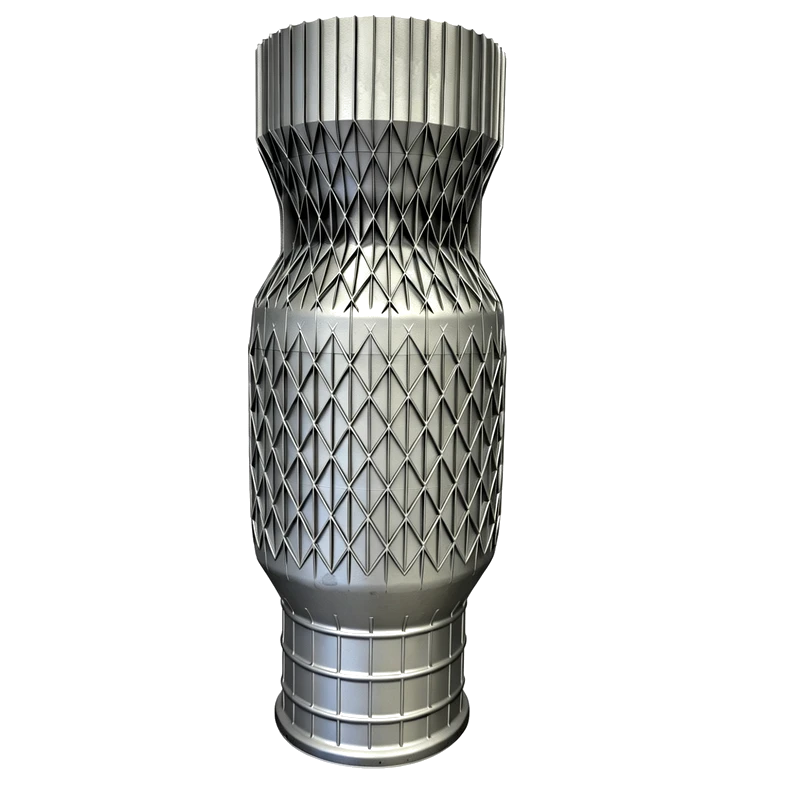
Facing extreme conditions and rapid iteration demands, metal 3D printing enables one-step forming of complex internal channels in thrust chambers, injectors, turbopumps and valve bodies. Fewer welds and interfaces deliver higher sealing and reliability while shortening engine prototyping cycles, providing greater design space for launch vehicle and satellite components.

Discuss Your Application →
TYPICAL APPLICATION CASES

Typical Application Cases

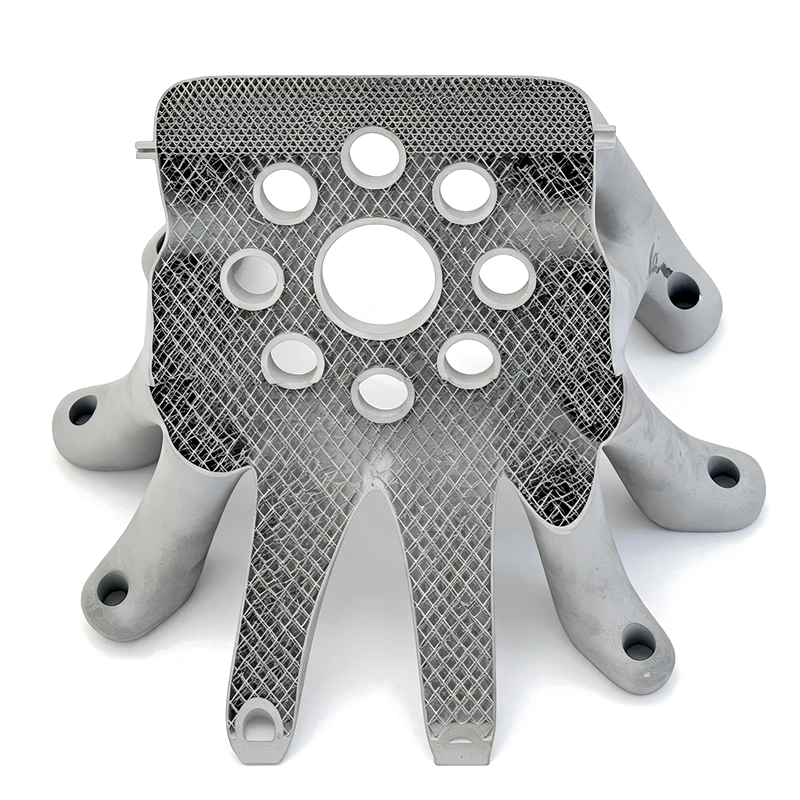
Satellite Bracket

Satellite Bracket

Material:
AlSi10Mg
Size:
410×410×202(mm)
Usage:
Satellite structural component

Structural Features:Lightweight topology-optimized integrated forming, effectively reduces satellite payload weight, improves structural strength and stability, reduces assembly steps, enhances reliability and service performance in space environments.
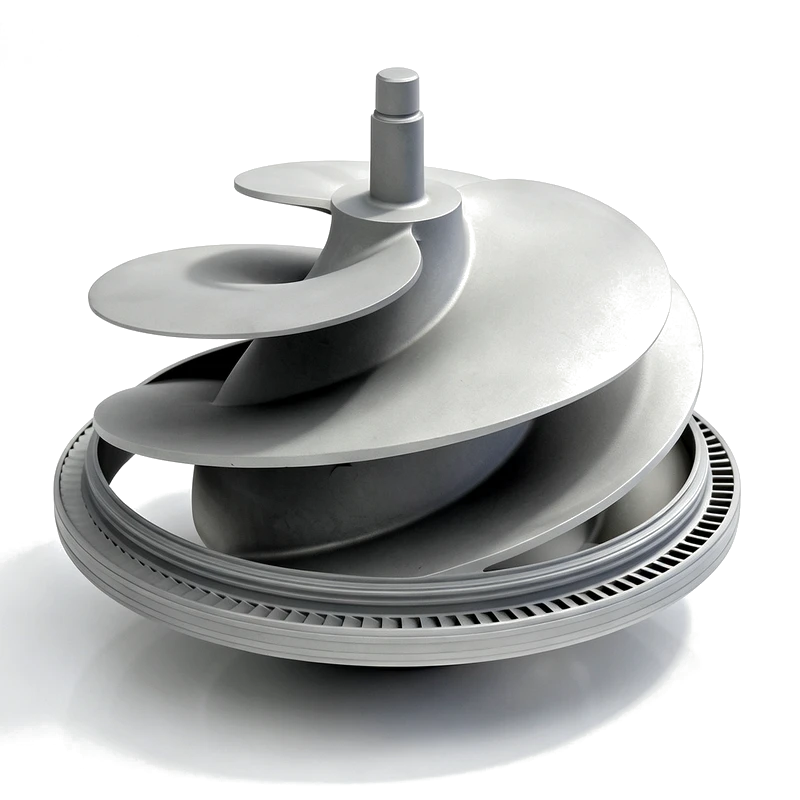
Inducer

Inducer

Material:
GH4169
Size:
400×400×460(mm)
Usage:
Liquid rocket engine turbopump

Structural Features:Integrated disc printing structure, effectively improves overall strength and dynamic balance, reduces welding assembly steps, improves stability and reliability of liquid rocket engine turbopumps under high-speed and high-pressure conditions.

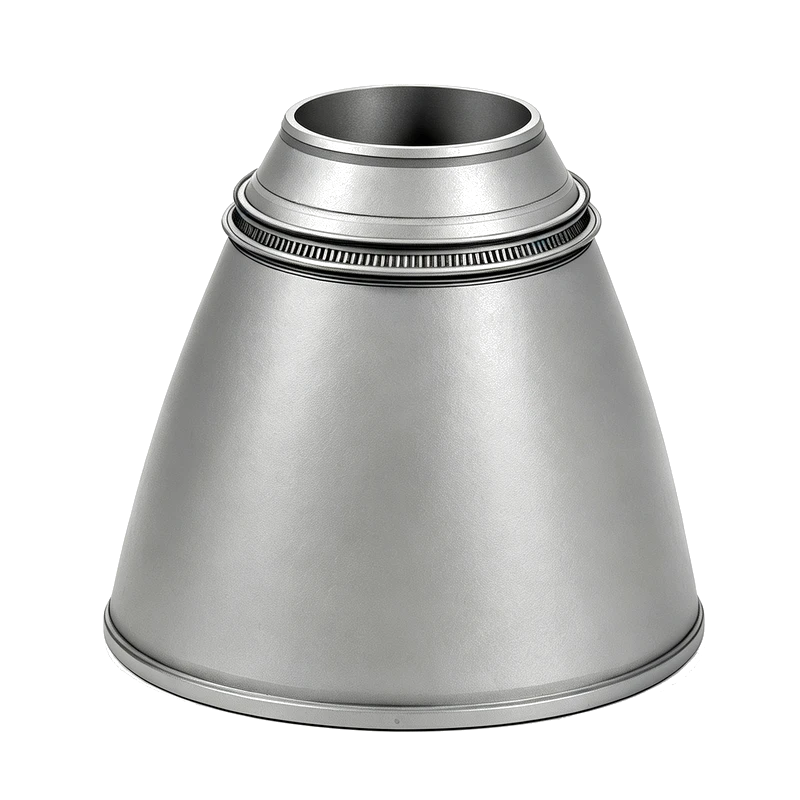
Liquid Engine Thrust Chamber

Liquid Engine Thrust Chamber

Material:
316L
Size:
1013×1013×902(mm)
Usage:
Rocket engine thrust chamber expansion section, withstands high-temperature gas erosion, severe thermal cycling and cooling circulation

Structural Features:16-injector integrated sandwich structure with high-efficiency heat-dissipation channel design, verified through thousands of runs and multiple ignition tests, meets 50-cycle reuse, eliminates plume smoke, shortens development cycle.

Condenser Section

Condenser Section

Material:
GH3536
Size:
1650×650×650(mm)
Usage:
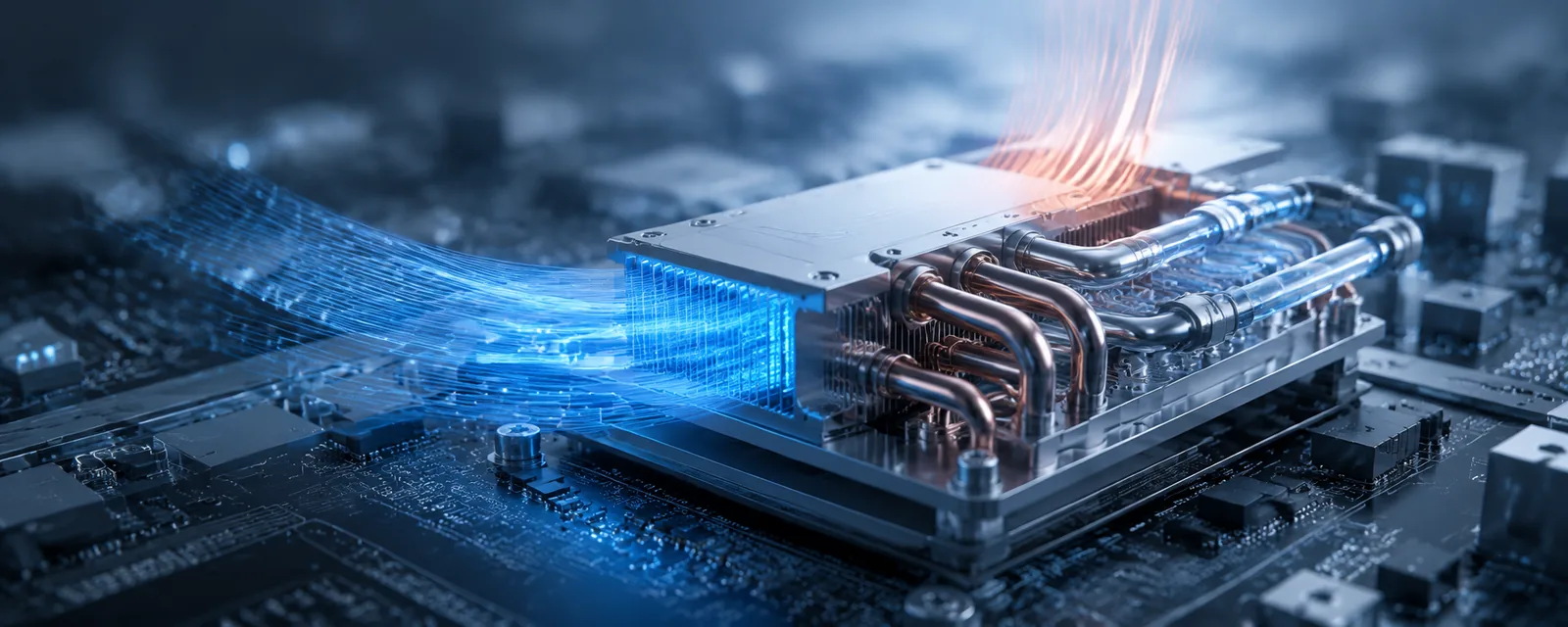
New concept design for aerospace thermal management and propulsion systems

Structural Features:1.6 m oversized integrated forming, complex surface channels and thin-wall lightweight structure, high-density channels improve heat exchange efficiency, reduce welded joints, improve reliability, sealing and high-temperature service stability.