
Aero Engines & Turbines

Aero Engines & Turbines

Aero Engines & Turbines
APPLICATION SOLUTION

Aero Engines & Turbines

Performance gains in aero engines and gas turbines depend on precise control of airflow, combustion and temperature. Metal 3D printing builds efficient cooling structures inside combustors, nozzles and hot-end components, improving aerodynamic and thermal performance, enhancing temperature resistance and service life, and supporting rapid repair of high-value parts.

Discuss Your Application →
TYPICAL APPLICATION CASES

Typical Application Cases

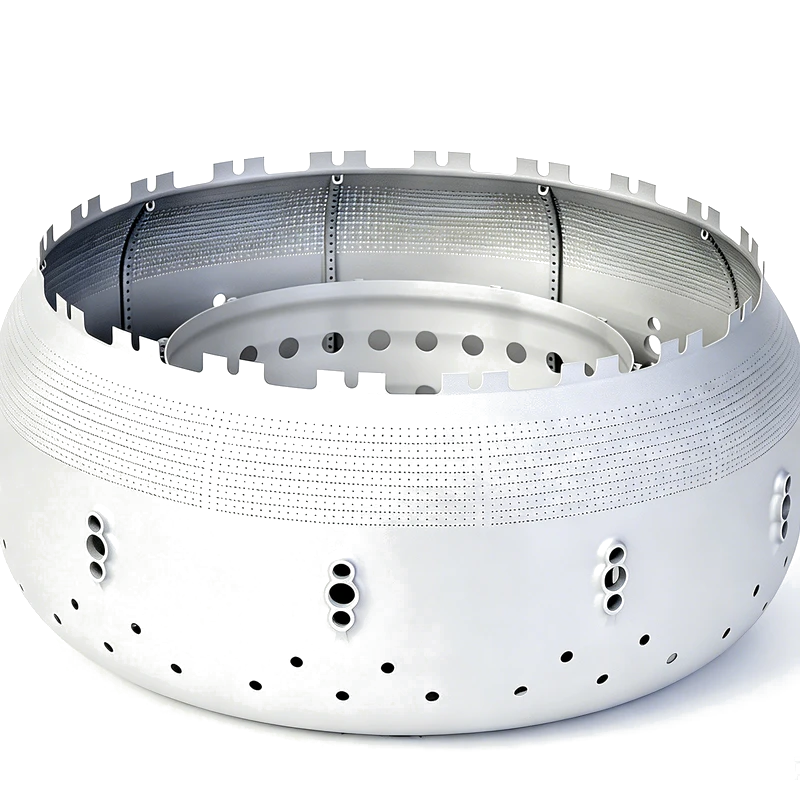
Aero-Engine Combustor Liner

Aero-Engine Combustor Liner

Material:
GH3536
Size:
410×410×200(mm)
Usage:
Aero-engine combustor liner, withstands extreme high-temperature gas erosion and severe thermal cycling

Structural Features:Dense film-cooling holes formed in one shot, minimum aperture 0.5 mm, wall thickness < 2 mm, with high precision, high consistency and high reliability, significantly improves cooling performance.
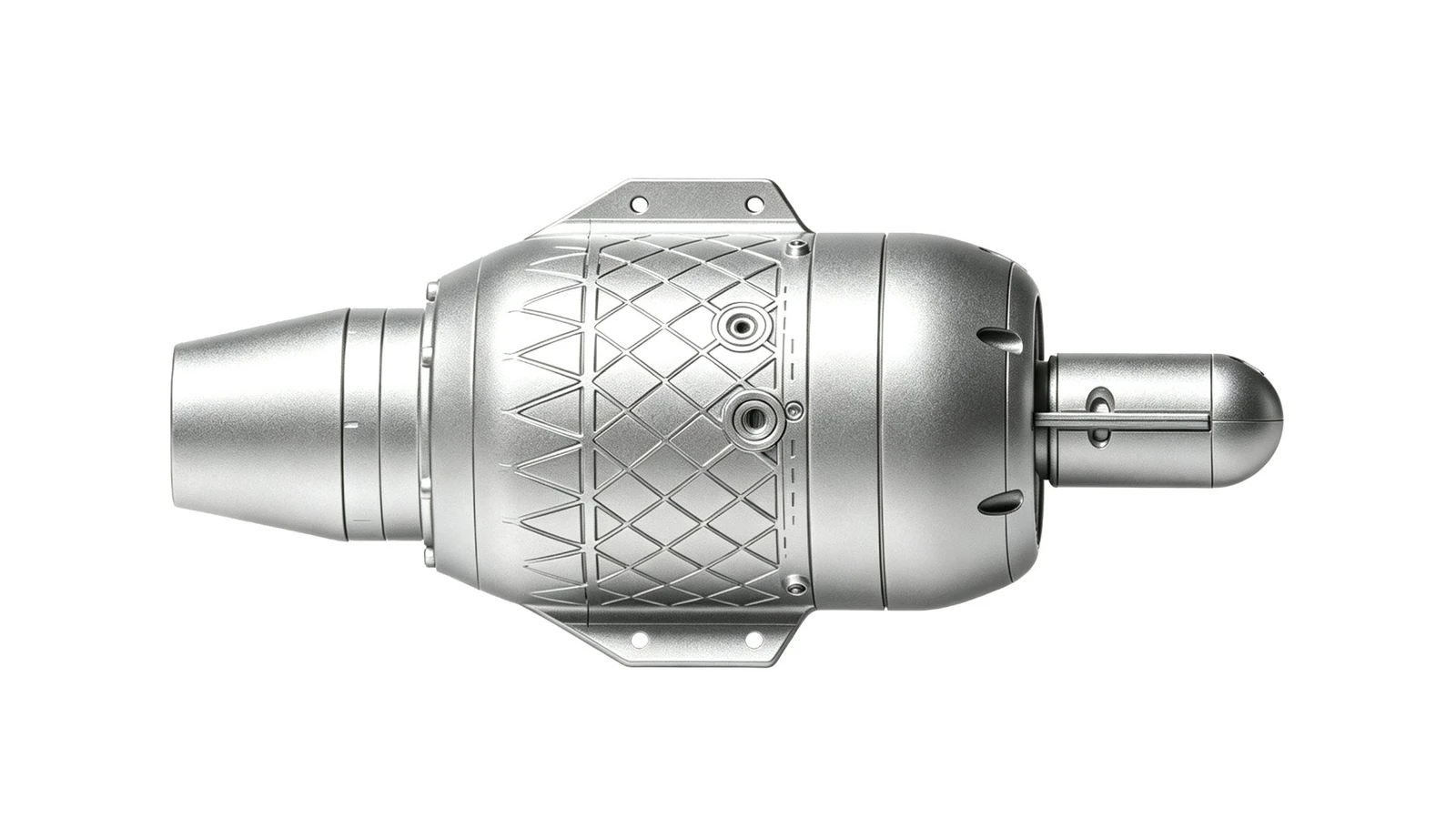
Turbojet Engine Assembly

Turbojet Engine Assembly

Material:
GH4169
Size:
122×122×70(mm)
Usage:
For 10 kg-class small turbojet engines, suitable for UAV and target drone power systems

Structural Features:Integrated printing, multi-component integration, complex internal cavities without welds; 40% weight reduction, high temperature resistance and fatigue resistance, assembly steps reduced by 70%.

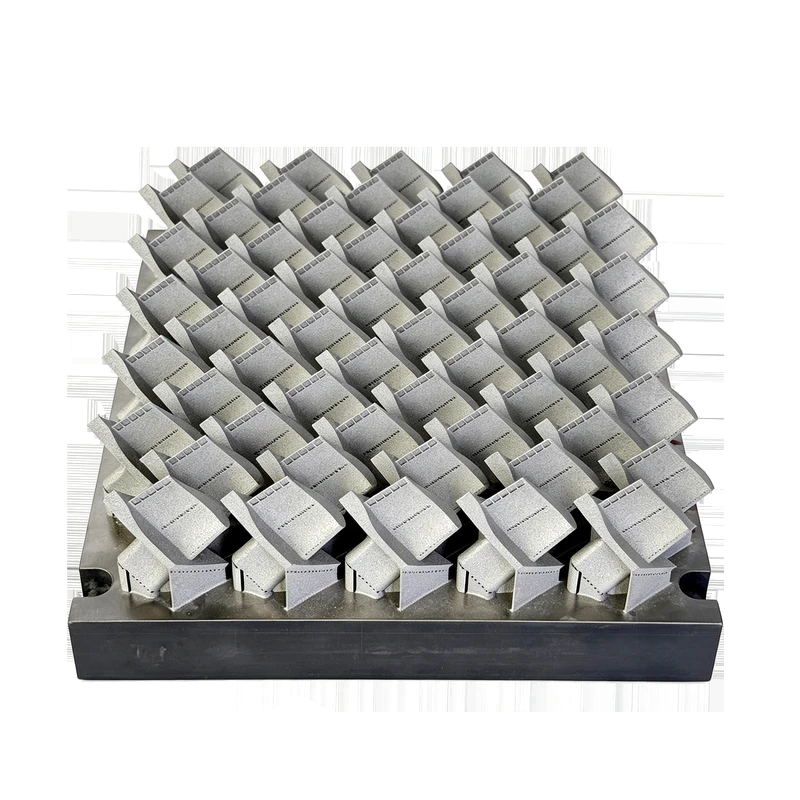
Hollow Blade

Hollow Blade

Material:
GH4099
Size:
550×550×70(mm)
Usage:
Aero-engine hot-end key component

Structural Features:Complex internal cavity and lightweight structure, enables efficient cooling and weight reduction, improves stability, thrust-to-weight ratio and service life of aero-engine hot-end, meets high-performance manufacturing requirements for complex hot-end components.

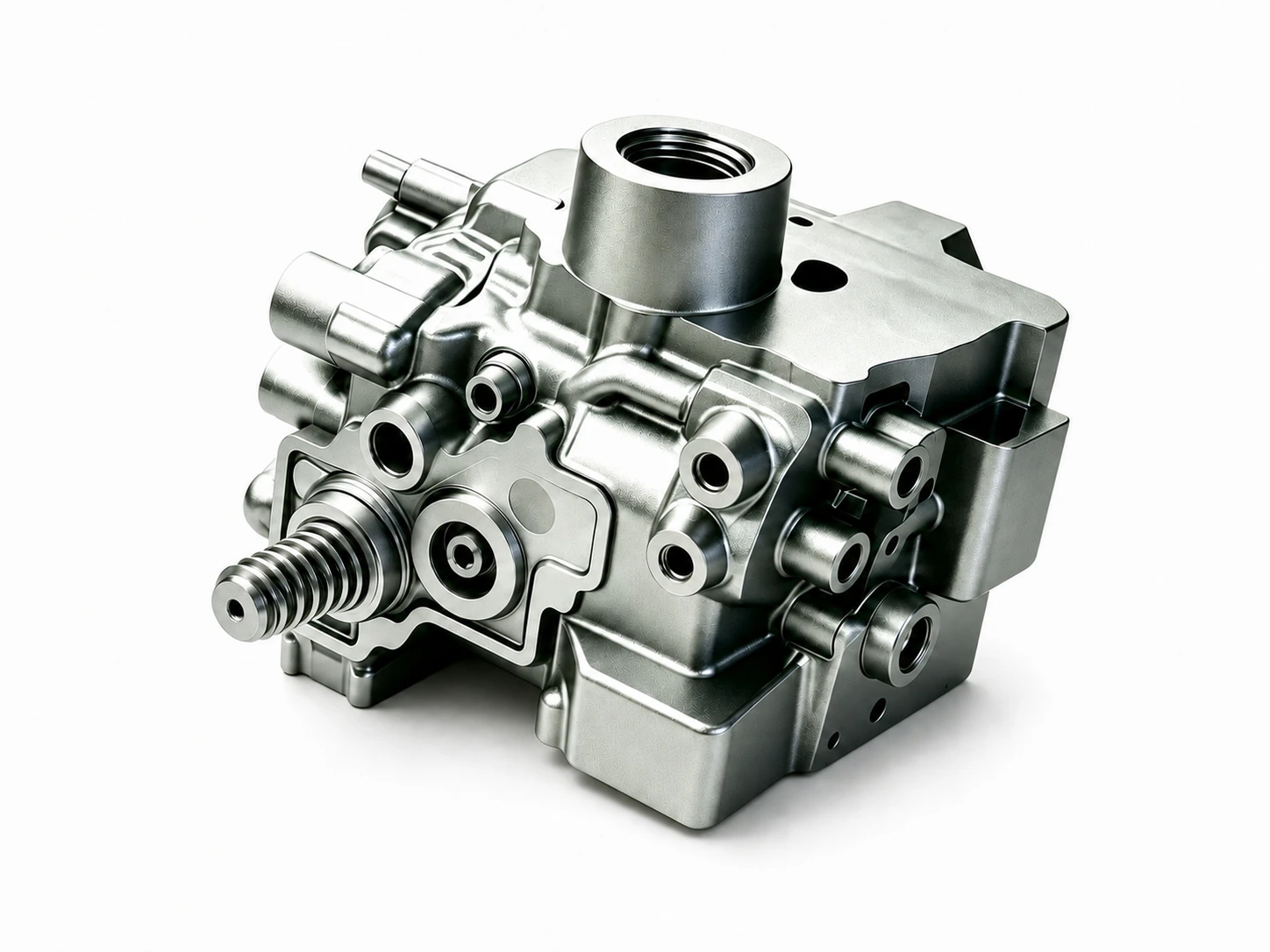
Oil Circuit Housing

Oil Circuit Housing

Material:
AlSi10Mg
Size:
120×120×120(mm)
Usage:
Aero-engine control system

Structural Features:Complex channel integrated design, realizes internal precision-quality transmission and lightweight manufacturing, improves system integration, sealing reliability and operational stability, meets complex structural manufacturing requirements in the aviation field.