
Applications
Applications
Extending the capabilities of metal additive manufacturing with integrated solutions from design through delivery for advanced manufacturing industries.

Aviation
Weight reduction directly impacts range, payload and fuel efficiency. Metal 3D printing breaks through the structural limitations of conventional machining, enabling topology-optimized load-bearing parts, lightweight brackets and complex piping — integrating multiple parts into one to reduce connection failure risks while accelerating R&D and delivery of low-volume, high-complexity aerospace components.
View Details →
Space
Facing extreme conditions and rapid iteration demands, metal 3D printing enables one-step forming of complex internal channels in thrust chambers, injectors, turbopumps and valve bodies. Fewer welds and interfaces deliver higher sealing and reliability while shortening engine prototyping cycles, providing greater design space for launch vehicle and satellite components.
View Details →
Aero Engines & Turbines
Performance gains in aero engines and gas turbines depend on precise control of airflow, combustion and temperature. Metal 3D printing builds efficient cooling structures inside combustors, nozzles and hot-end components, improving aerodynamic and thermal performance, enhancing temperature resistance and service life, and supporting rapid repair of high-value parts.
View Details →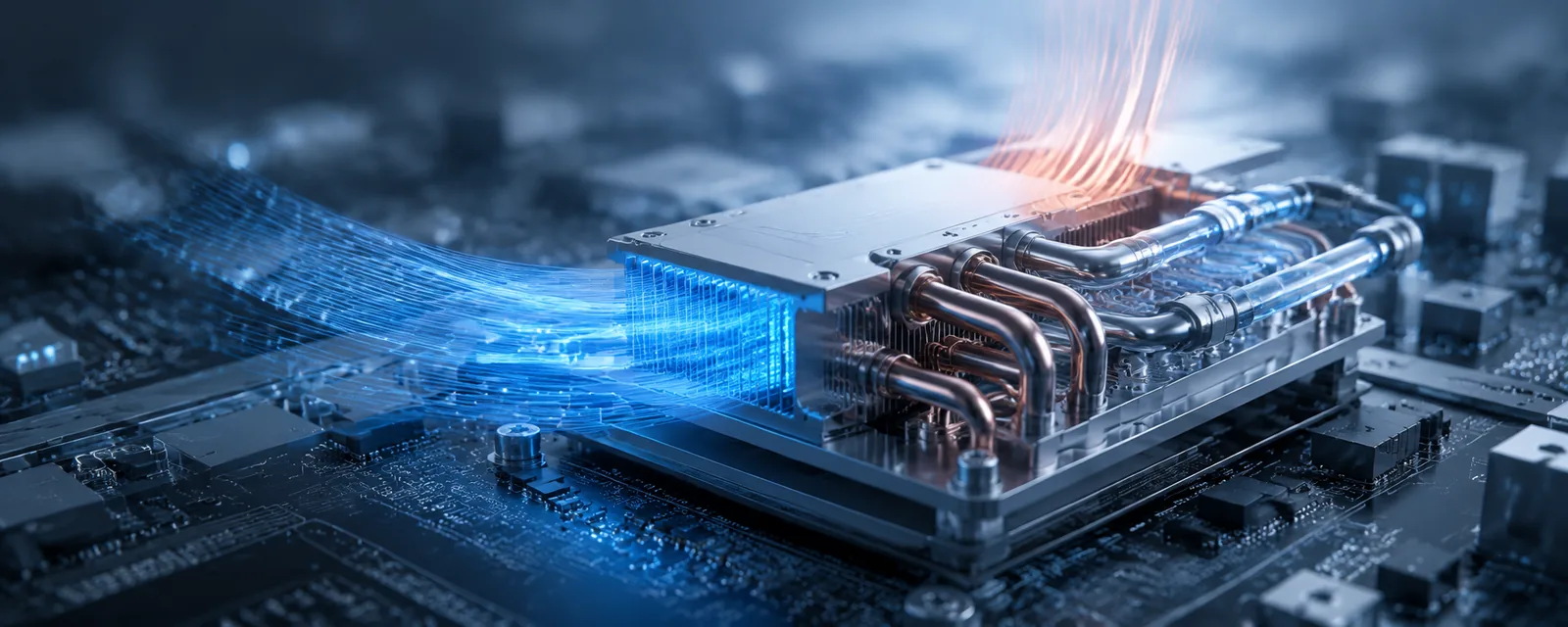
Thermal Management
High heat-flux scenarios demand more compact and efficient thermal solutions. With microchannels, conformal cooling channels and lattice heat-exchange structures, metal 3D printing brings cooling paths closer to the heat source, improving heat-transfer efficiency and temperature uniformity in limited spaces — ideal for liquid cooling plates, heat exchangers and electronic device heat-dissipation components.
View Details →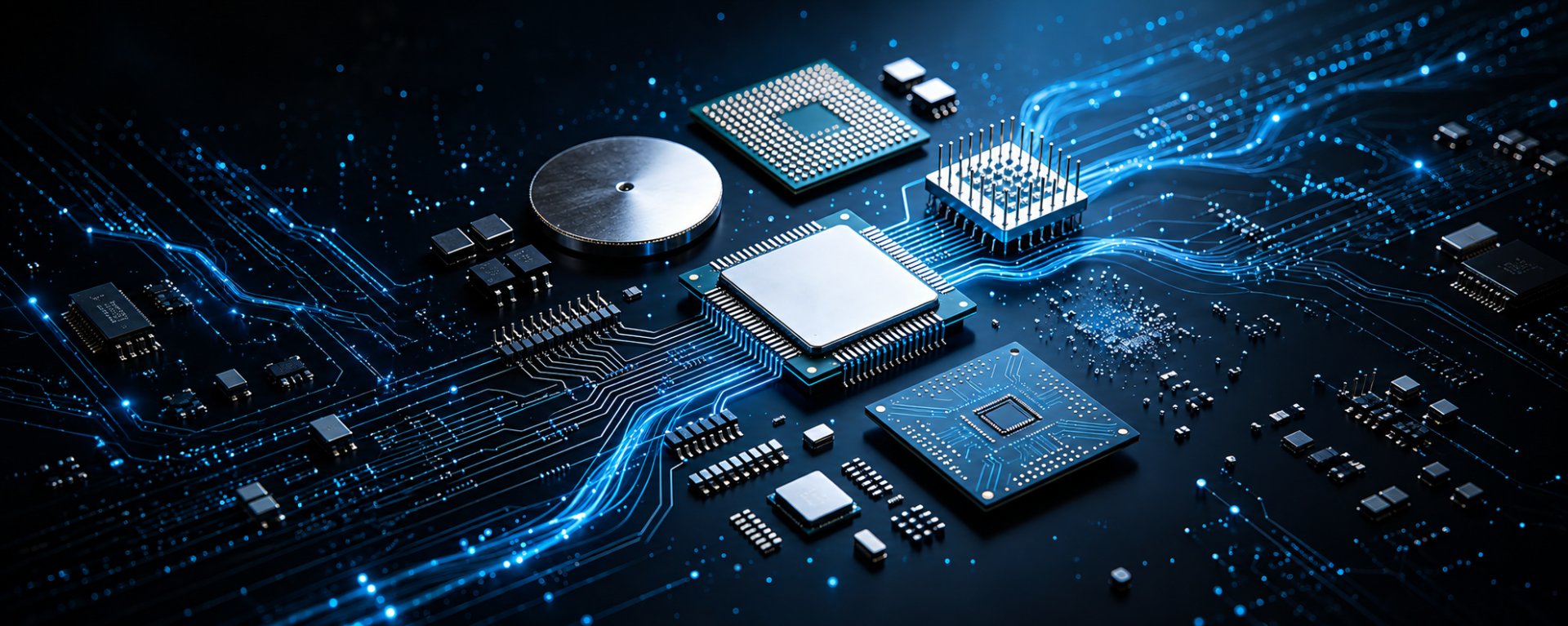
Semiconductor Equipment
Semiconductor equipment is the core precision machinery for integrated circuit manufacturing. Metal 3D printing enables integrated forming of complex structures, balancing lightweight, high stiffness, low vibration and efficient thermal management to improve the dynamic performance, positioning accuracy and temperature stability of wafer stages. It also increases material utilization, reduces welding, assembly and machining steps, and lowers manufacturing costs and post-processing requirements such as cleaning.
View Details →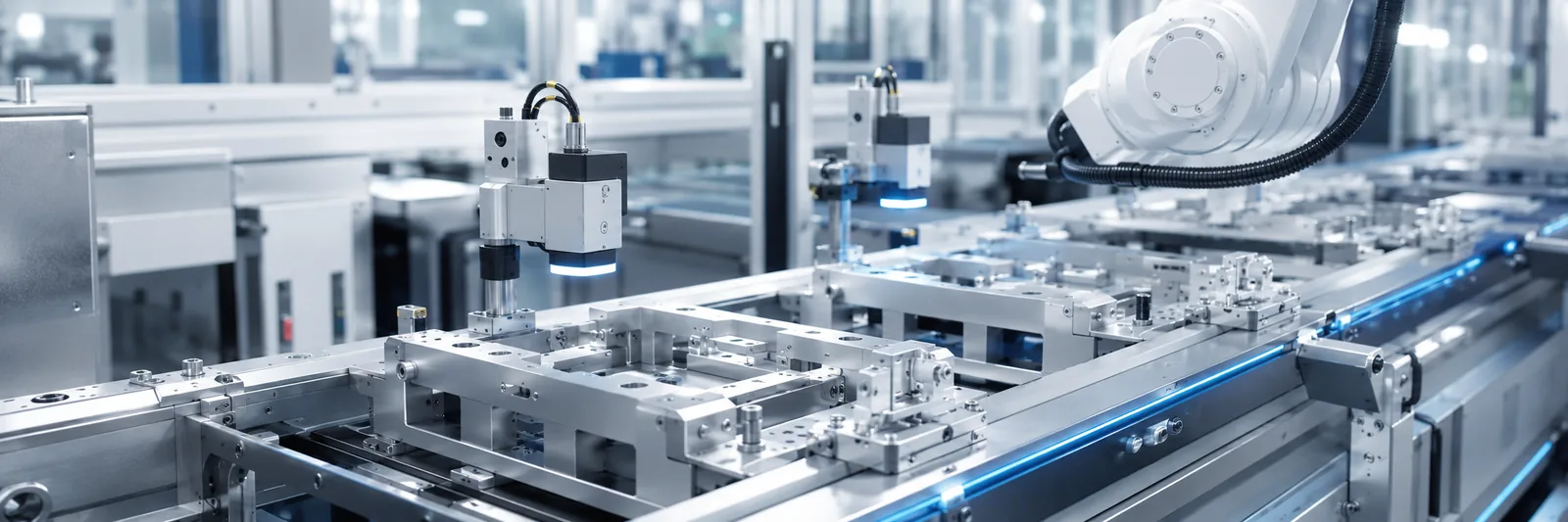
Industrial Applications
From tooling and fixtures to non-standard parts, metal 3D printing shifts manufacturing from 'process-constrained' to 'function-driven' design. Conformal cooling shortens injection-molding cycles, lightweight fixtures improve automation efficiency, and digital spare parts enable on-demand rapid production — especially suited for complex structures, low volumes and customized manufacturing.
View Details →